Category: Interior Hidden Devices
Explore interior hidden cameras and audio recorders disguised as everyday items. Visit our showroom for live demos and expert support.
“Invisible security — discreet protection for your home or office”
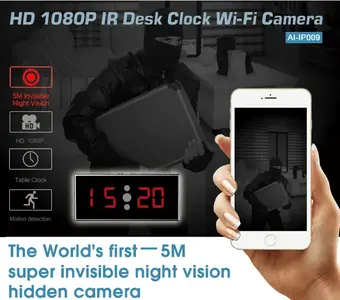
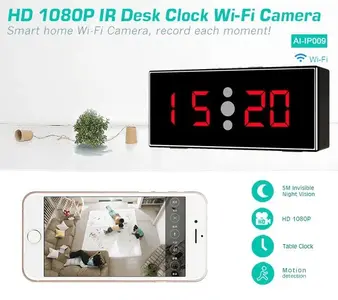
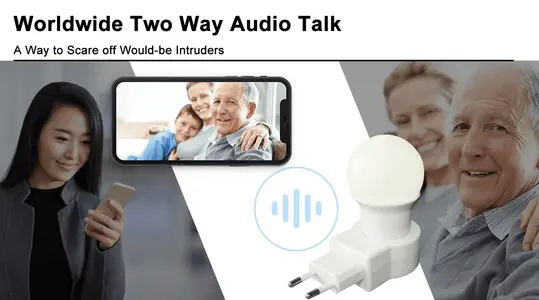
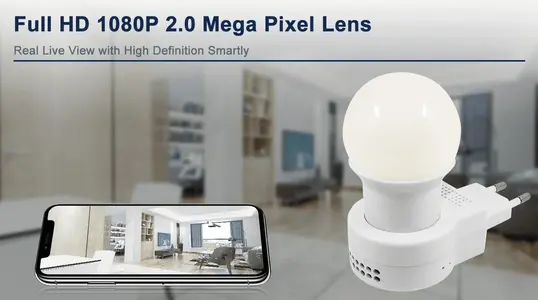
Our interior hidden cameras blend seamlessly into everyday environments — clocks, lamps, AC adapters, and outlets — allowing you to monitor spaces without detection.
Capture clear HD video, even at night, with motion activation and Wi-Fi streaming options.
Perfect for home security, nanny monitoring, and office protection, these devices combine everyday practicality with high-tech surveillance power.
- Please note: Images may be slightly different than the products in our showroom
Everyday Designs
High-Definition Recording
Wi-Fi Remote Viewing
Night Vision Ready
Stay Informed
Guide: Choosing a Hidden Camera for Home Use
Understanding Wi-Fi Surveillance
Privacy Laws for Counter-Surveillance Devices
About Interior Devices
Yes — using hidden cameras inside your own home or property is legal in most cases, especially for safety, monitoring, or documentation purposes. However, laws vary when audio recording is involved. Always follow New York and federal privacy laws when monitoring shared spaces or individuals.
No — most interior hidden cameras are designed for plug-and-play use. Many operate from standard wall power or internal batteries, and several can be placed or mounted in seconds without tools.
Many models include infrared night vision or low-lux sensors, allowing recording in low-light or total darkness. Check each product specification to confirm night-vision capabilities.
Depending on the model, you can review footage using a mobile app, microSD card playback, or direct file transfer to a computer. Some models also support live Wi-Fi streaming from anywhere in the world.
Yes — most Wi-Fi connected interior cameras offer motion-activated push notifications, automatic snapshots, or short video clips, keeping you informed when activity occurs.
Recording time varies by model and settings. Cameras that record continuously will fill storage faster, while motion-activated recording can dramatically extend storage capacity. Many devices also offer loop recording, meaning older footage is automatically overwritten so the camera never stops recording.